


Blog
PCB Assembly vs PCB Fabrication: What Is the Difference?

PCB fabrication and PCB assembly are two stages of the same product journey, but they are often confused. Fabrication produces the bare board; assembly populates it with components and turns it into a working circuit. Understanding the difference helps you brief a manufacturer correctly.
PCB fabrication
Fabrication is the manufacturing of the bare printed circuit board: layering copper and substrate, imaging the circuit pattern, etching, drilling, and applying solder mask and surface finish. The output is an unpopulated board with pads, traces and vias.
- Materials: FR-4, high-Tg laminates
- Layers: single-sided to multilayer
- Finishes: HASL, lead-free HASL, ENIG
PCB assembly
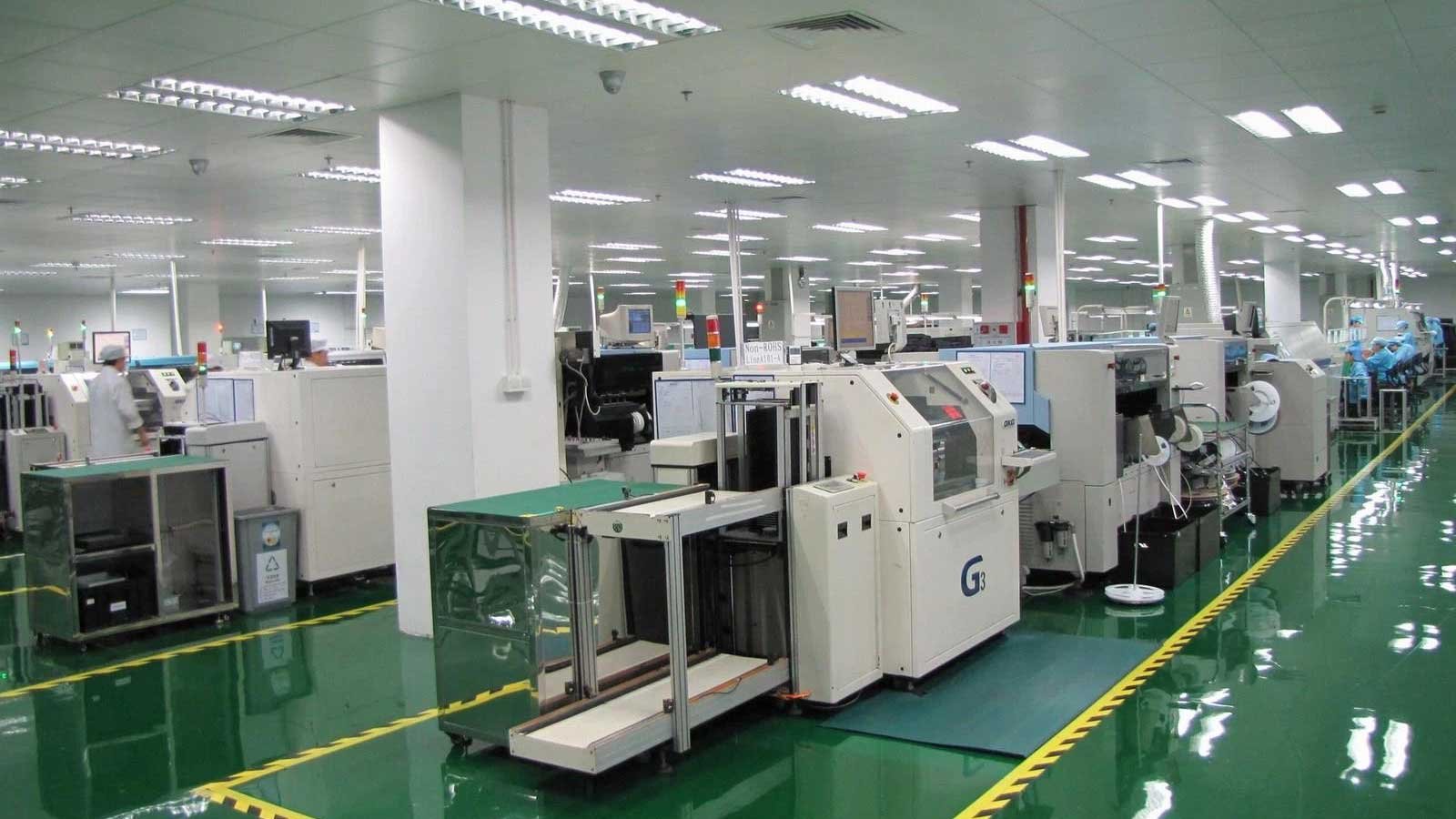
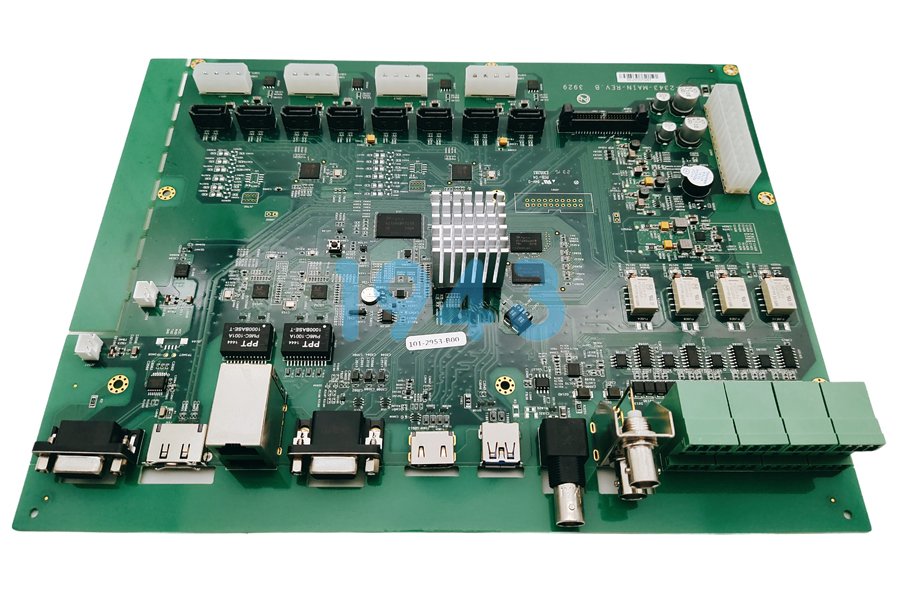
Assembly takes that bare board and mounts components using solder paste, pick-and-place and reflow for surface-mount parts, plus through-hole soldering where needed. Inspection and testing then verify the finished board.
- SMT and through-hole placement
- Reflow and wave soldering
- AOI, X-ray and functional testing
Why combine them
When fabrication and assembly are managed together, panelization is planned for the SMT line, the bare board arrives ready to build, and one team owns quality from copper to tested assembly. KGPCBA coordinates PCB fabrication with PCB assembly as one route, so you get a single quotation and a single set of records.